

Putting children first: Understanding the emotional impact of divorce and separation
Divorce and separation are among the most emotionally challenging experiences a family can face. For parents, the breakdown of a relationship often brings feelings of grief, anger, uncertainty and anxiety about the future. Yet amid the practical, financial and emotional difficulties, one concern usually takes precedence: how will the separation affect the children?
As a family lawyer, I recognise that parents overwhelmingly want what is best for their children, even when they disagree profoundly about what that means.
One of the most important things to understand is that it is not necessarily the separation itself that causes the greatest emotional difficulties for children. Often, it is the way their parents manage the separation and their relationship afterwards.
Children can be remarkably resilient. With reassurance, stability and appropriate emotional support, many adapt successfully to their parents living apart. However, persistent parental conflict, hostility and unresolved emotions can make that adjustment considerably more difficult.

Children Understand More Than We Think
Parents often believe they can protect their children from the emotional consequences of conflict by keeping disagreements behind closed doors.
Unfortunately, children are frequently far more perceptive than adults realise.
They may not understand the reasons for an argument or the complexities of a relationship breakdown, but they are often acutely aware of the emotional atmosphere around them.
A tense silence, a dismissive remark about the other parent, or a change in behaviour when a former partner is mentioned can communicate far more than the parents may intend.
Children do not need to witness an argument to sense that something is wrong.
When conflict becomes an enduring feature of family life, children may begin to feel anxious, insecure or in some way responsible for their parents' unhappiness.
Some children may express their distress through anger, withdrawal or challenging behaviour. Others may become unusually compliant, attempting to avoid upsetting either parent or even taking on responsibility for their parents' emotional wellbeing.
Neither response should be overlooked.
Children should be free to experience childhood without feeling responsible for managing the emotions of the adults around them.
Separating your feelings about your former partner from your children's feelings
One of the greatest challenges following separation is recognising that a former partner's relationship with their children is fundamentally different from the relationship they had with you.
A parent who feels betrayed, rejected or deeply hurt may understandably struggle to view their former partner objectively.
Those feelings can be particularly intense where the relationship has ended acrimoniously.
However, someone who was a difficult or disappointing partner is not necessarily an inadequate parent.
It is important to distinguish between genuine concerns about a child's safety or welfare and negative feelings arising from the breakdown of the adult relationship.
Children may enjoy spending time with a parent towards whom the other parent feels considerable anger or resentment. They may have positive experiences that do not fit with the other parent's perception of that person.
Parents should allow their children the freedom to develop and express their own feelings.
For example, a child should be able to describe an enjoyable weekend with their father without worrying that their mother will be upset. Equally, a child should be able to talk affectionately about their mother without feeling that they are somehow betraying their father.
When children feel they must edit their experiences to protect a parent's feelings, they can become trapped in an exhausting conflict of loyalties.
Over time, this may undermine their confidence in their own emotions and judgement.
A fundamental principle of successful parenting after separation is therefore to recognise that children have their own relationships with each parent, and those relationships should not become extensions of the adults' disagreements.
The Hidden Questions Children Ask During Separation
Children experiencing parental conflict frequently carry worries that they struggle to articulate.
Among the questions they may be asking themselves are:
Is this my fault?
When arguments revolve around childcare arrangements, holidays, contact or parenting decisions, children can mistakenly conclude that they are responsible for the disagreement.
They may believe that if they behaved differently, their parents would stop arguing.
Parents need to reassure their children consistently that the separation and the disagreements surrounding it are adult matters and are not their responsibility.
Do I have to choose between my parents?
Children naturally seek the love and approval of both parents.
When one parent repeatedly criticises the other, a child may feel that showing affection towards one means being disloyal to the other.
This creates an impossible emotional dilemma.
Where it is safe and appropriate, children should feel able to love and maintain a relationship with both parents without guilt.
Am I safe, and what will happen next?
Separation often brings significant changes to children's routines, homes, relationships and expectations.
Even apparently minor uncertainties can become sources of anxiety.
Knowing where they will be staying, who will collect them from school and when they will next see each parent can provide an important sense of security.
Can I tell my parents how I really feel?
Children sometimes avoid expressing sadness, frustration or disappointment because they fear causing further distress.
Creating an environment in which children can speak openly, without worrying about either parent's reaction, is essential.
Parents do not have to solve every difficult feeling immediately. Often, listening calmly and acknowledging a child's emotions is the most valuable response.

Why Parental Conflict Sometimes Continues Long After Divorce
The divorce process brings a marriage to an end, but it does not necessarily resolve the emotions associated with the breakdown of the relationship.
For some couples, anger and resentment persist long after they have established separate households.
Disagreements about parenting arrangements can become a continuation of unresolved arguments about the relationship itself.
Parents may find themselves repeatedly challenging one another over matters that, viewed independently, appear relatively minor.
In these circumstances, it can be helpful to recognise that anger sometimes masks other emotions, including sadness, grief, disappointment or a sense of loss.
This does not mean that disagreements are unjustified or that every conflict can be resolved through greater understanding.
There will be situations involving safeguarding concerns, domestic abuse or coercive control where direct cooperation is neither safe nor appropriate. In such cases, protecting the child and the affected parent must take priority.
However, where it is safe to do so, recognising the origins of continuing conflict can help parents move towards a more constructive relationship in the future.
The goal is not to rebuild the former relationship.
It is to establish a different new one, based on shared parental responsibilities, appropriate boundaries and the children's long-term interests.
Practical steps to protect children During and after separation
Although every family is different, there are several principles that can help parents reduce the emotional strain on their children.
1. Keep children out of adult disagreements
Children should never be asked to carry messages, take sides or provide information about the other parent's private life.
Disagreements about finances, legal proceedings and parenting arrangements should be addressed between adults, with professional assistance where appropriate.
2. Avoid speaking negatively about the other parent
Critical remarks may seem insignificant in the moment, but children often experience them personally.
For many children, their sense of identity is connected to both parents. Hearing one repeatedly described as unreasonable, irresponsible or fundamentally bad can therefore affect how children see themselves.
This does not mean ignoring harmful behaviour or dismissing genuine concerns. It means discussing those concerns in an age-appropriate and protective way.
3. Provide consistency and reassurance
Reliable routines can offer children an important sense of stability.
Keeping to agreed arrangements, arriving on time and communicating changes clearly can help children feel secure during an otherwise uncertain period.
Consistency is not simply about following a timetable. It demonstrates that children remain a priority.
4. Be flexible as children's needs change
Arrangements that work well for a young child may become less suitable as they grow older.
School commitments, friendships, extracurricular activities and developing independence all influence children's needs.
Successful parenting arrangements should provide stability while allowing sufficient flexibility to respond to those changes.
5. Recognise that transitions can be difficult
Moving between households can sometimes trigger challenging behaviour.
Children may become tearful, quiet, irritable or unusually excitable before or after spending time with a parent.
Such behaviour should not automatically be interpreted as evidence that the child is unhappy or unsafe with the other parent.
Transitions can be emotionally demanding even when children enjoy strong relationships with both parents.
A calm, reassuring approach can help them adjust.
6. Seek support before conflict becomes entrenched
Parents do not have to navigate every difficulty alone.
Legal advice, therapeutic support and appropriate forms of dispute resolution can help families address disagreements before they become destructive.
Mediation and other non-court processes may be valuable in suitable cases, although they will not be appropriate for every family, particularly where abuse or significant power imbalances are present.
The important point is to identify an approach that protects the children and reflects the family's circumstances.
The importance of putting children's needs before parental conflict
One of the hardest aspects of separation is that parents must continue making decisions together about their children at a time when communicating with one another may feel exceptionally difficult.
It is entirely understandable that strong emotions can arise.
The challenge is to prevent those emotions from negatively influencing decisions that should be guided by children's welfare.
Parents sometimes become so focused on achieving a particular outcome in a dispute that they lose sight of the emotional consequences of the argument.
A disagreement about how much time a child spends with each parent, for example, may become increasingly adversarial. Yet the child may be far more concerned about whether their parents will argue at the next handover, whether they can attend a friend's birthday party or whether they are allowed to enjoy time with both sides of their family.
Looking at arrangements through a child's eyes can fundamentally change the nature of the discussion.
The central question should not simply be what each parent wants, but what the child genuinely needs.
That distinction can make an enormous difference.
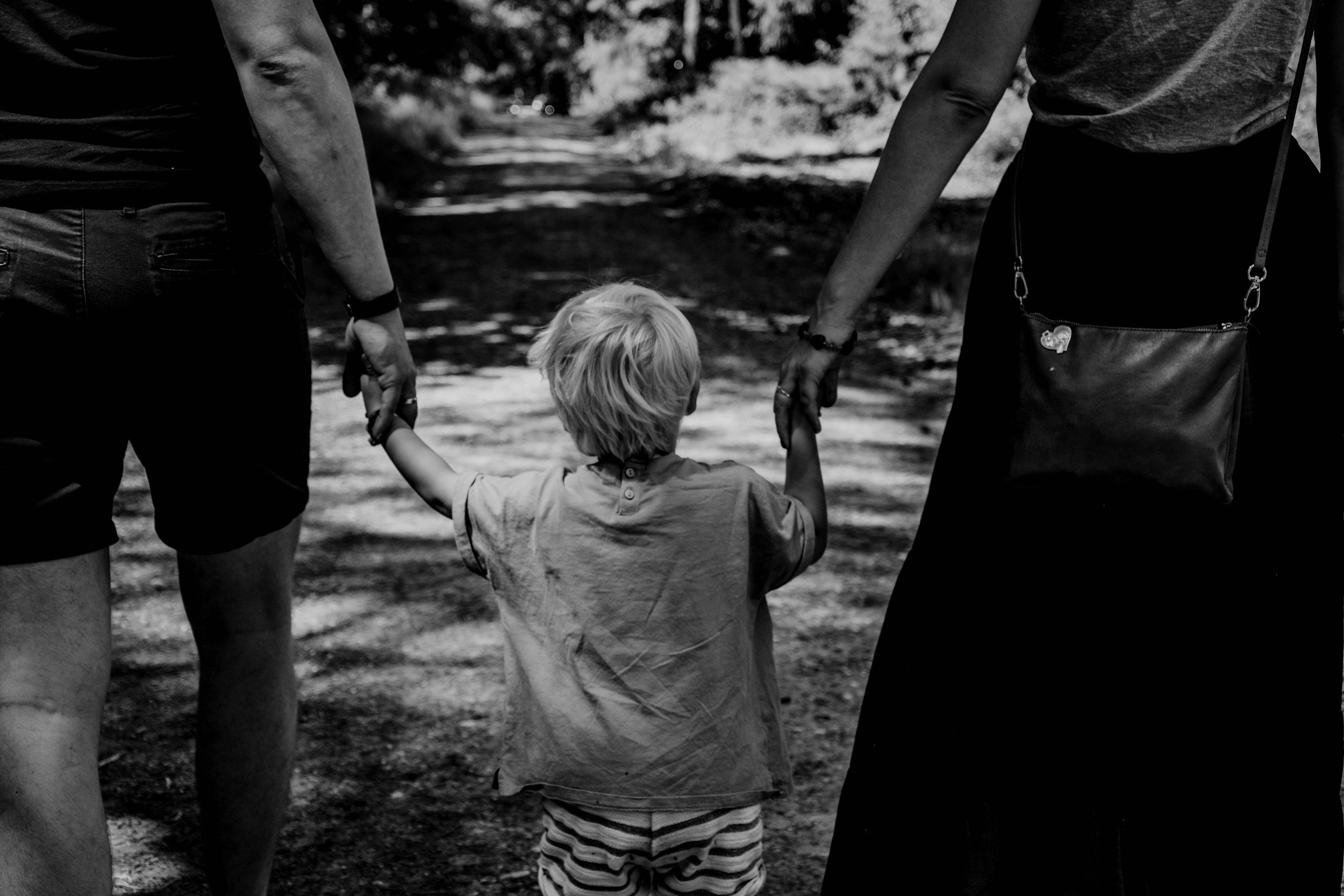
Moving forward: A different kind of parental relationship
For many separating couples, the end of their personal relationship marks the beginning of a new and unfamiliar form of parenting.
It requires different skills, clearer boundaries and sometimes a willingness to reconsider deeply held assumptions about the other parent.
It will not always be easy. There may be setbacks, difficult conversations and periods of considerable frustration.
But where parents can reduce hostility, communicate constructively and demonstrate that their children's needs come first, the benefits can be significant.
Children are more likely to feel reassured when they know they are loved, supported and not expected to take responsibility for adult problems.
They can begin to adapt to their changed family circumstances without being constantly drawn back into the conflict surrounding their parents’ separation.
For parents, too, moving away from prolonged disputes can create the space needed to rebuild their own lives.
A final thought
In my experience, some of the most important decisions made during divorce and separation are not necessarily the most legally complex.
They are the everyday decisions about how parents speak to one another, how they respond to their children's feelings and whether they can prevent their own hurt from shaping their children's experience.
Divorce may change the structure of a family, but it does not diminish the importance of parental love, stability and emotional security.
The objective should never simply be to get through the separation and subsequent divorce process.
It should be to create the best possible foundation for the children's future.
At Ribet Myles, we understand that family disputes involve far more than legal issues. They concern relationships, emotions and decisions that can affect children and parents for many years to come.
Our approach combines specialist family law expertise with practical, sensitive advice, helping clients navigate difficult circumstances while keeping their long-term interests — and, above all, their children's welfare — firmly in focus.
If you would like to find out more about how we can support you and your family through divorce or separation, particularly when children are involved, please contact us at jribet@rmfamilylaw.co.uk